
“ Yoga is not about touching your toes, it’s about what you learn on the way down.” – Jogar Gor. This quote speaks so much to me as a yoga instructor in general. People of this generation think that Yoga is all about stretching and flexibility and just all the asanas. Well here is a fun fact for you guys. When yoga was introduced in Bharat, which is the former name of India, there were no asanas. It was only breathing or what we call as Pranayama, that is moving of your Prana or breath in your entire body.
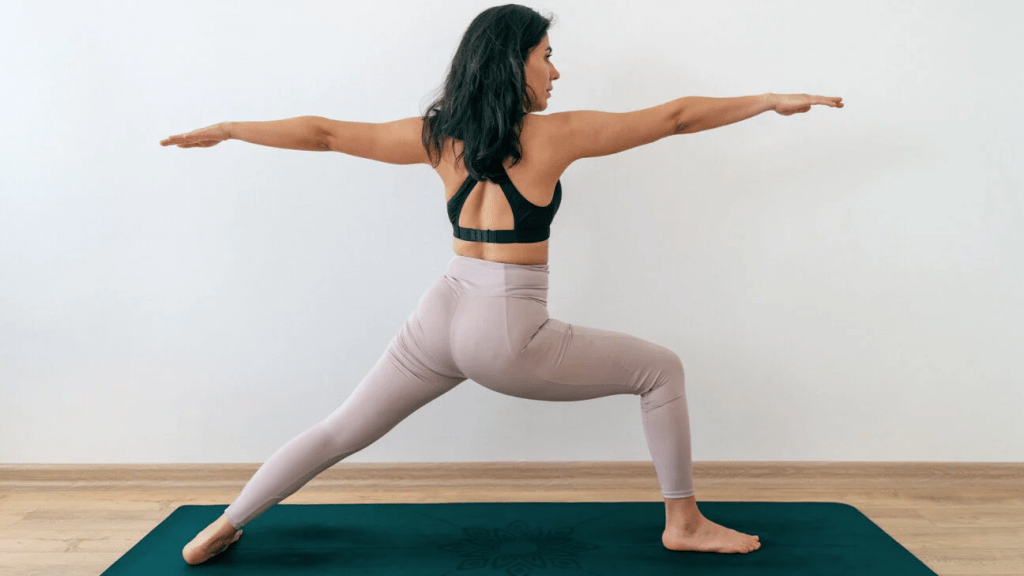
Yogi’s then were only focused on spirituality and did not have the need of much movement and the practical reason to think behind it is that at that time people did their chores and work all on their own. But as the technological world grew people started staying inside the houses and then only going out for work and now it’s all from home and no movement in your body is an invitation to diseases. Because the times may have changed but the human body has not. And this is where Anatomy and Physiology come in. Why is it important to know anatomy for yoga? What role does physiology play? How are they related to yoga? So let’s uncover some facts of how these things work with yoga.
WHAT IS ANATOMY AND PHYSIOLOGY?
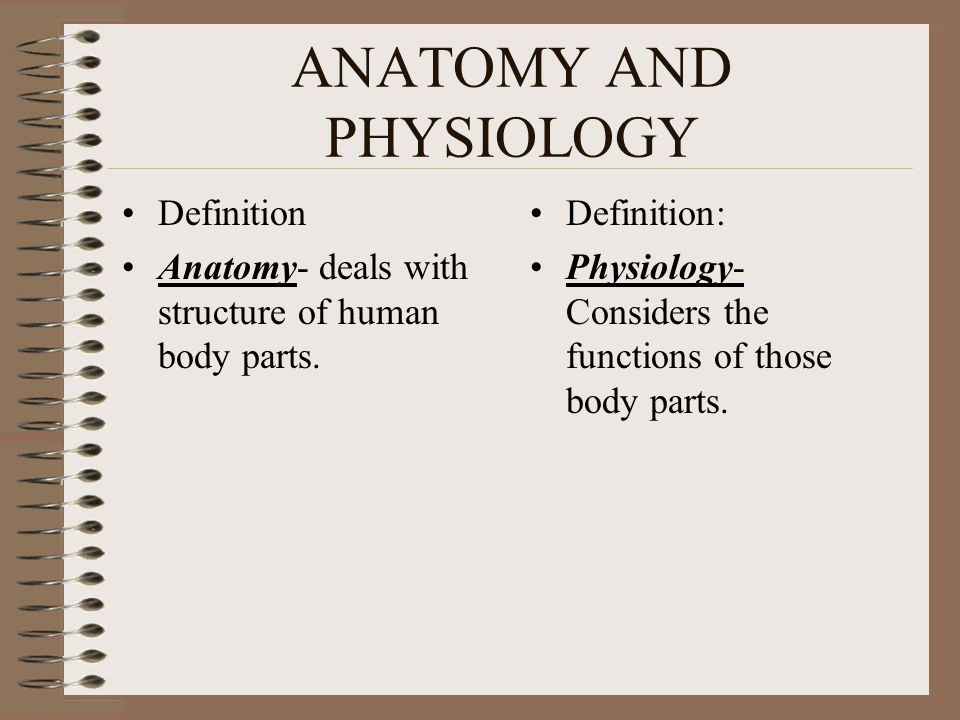
Anatomy is basically the science that deals with the study of structures of different organisms. Elaboratively it’s the study of physical relations between the body parts. There are a lot of things where Anatomy is used for and why a Yoga instructor has to know about it. It’s learnt to learn about the movements of the body, to maintain alignments while you’re in a pose and to identify the other functions of a body.
Physiology is the science where it refers to the function of the body parts and the functional relationships between them. It helps us know how a living body functions at a molecular level. Let’s say a client asks their yoga instructor that they have had an operation and it has only been three months and their heart cannot take much pressure but the doctor has said that exercise is very important. Now in this case the instructor will suggest that till six months are over we will be concentrating on breathing techniques and stretches and that is because getting the heart for the blood to pump normally takes time after a surgery and according to Physiology we learn how the respiratory system works.
WHY ARE BOTH THE STUDIES IMPORTANT FOR YOGA?
As a yoga instructor myself I can tell you that it helps my clients that I know Anatomy and Physiology. One is bones and one is nerves. Anatomy is about bones and muscles whereas Physiology is about the organs.
Let’s say as a beginner who learns yoga, you might be flexible and you might have a great body but when you’re doing a particular asana like say Vrikshasana also known as the tree pose, the asana is supposed to open up your hips and make you balance while you close your eyes. Now there is a three pointer for this, locking your knees can damage the tissues and in future can give you knee pain, one leg folded opens up your pelvis and hip area which enhances the root chakra and the third point is balancing makes you focus.

The above situation is a mixture of both Anatomy and Physiology which shows how the bones structure is supposed to be in order for your organs to be healthy.
There you have it folks, that is the relativity of Anatomy and Physiology with yoga. Let me know if you enjoyed this article in the comments section. Also a fun fact: in general be it asanas or no asanas it is never preferable to lock your knees, because it can damage the tissues and so you should always keep it microbend. So stay healthy and grow on your own and I will see you in the next one! Toodeloo!
 Enchanted pen
Leave a comment